About Raw Teak Wood Logs
Raw Teak Wood Logs
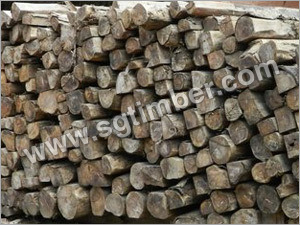
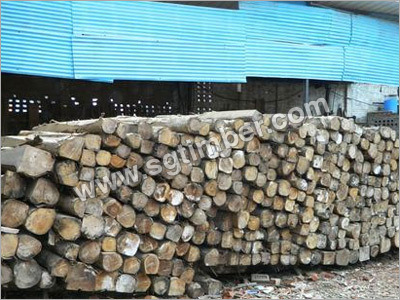
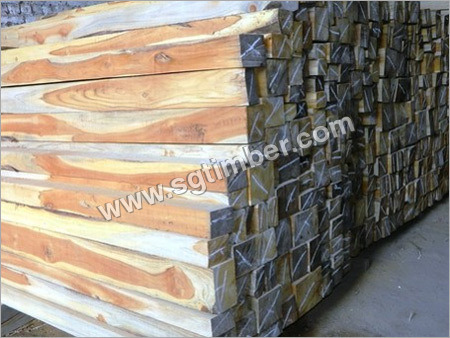
As a trusted name, we are engaged in offering a wide assortment of Raw Teak Wood Logs to our clients. These logs are cut and finished with the aid of avant-garde techniques under the supervision of our adept professionals in line with global market norms. The offered logs are widely used in furniture making and construction work. Also, our clients can avail these Raw Teak Wood Logs in various sizes at a nominal price range.
Features:
- Robustness
- Superior finish
- Moisture proof
- Termite resistance
Outstanding Durability and ProtectionRaw Teak Wood Logs are celebrated for their high natural oil content, which acts as an innate preservative against decay, pests, and termites. This intrinsic protection, along with excellent crack resistance and a hard, dense core, makes the logs suitable for long-lasting furniture, structural work, and marine construction projects. With a bark thickness of 10-15 mm and less than 10% sapwood, durability and strength are optimized.
Versatile Applications and CustomizationThese teak logs are available in various sizes (diameter: 30-60 cm, length: 2-6 meters) with customizable options, providing flexibility across different projects. From elegant furniture pieces and robust flooring to high-performance carpentry and marine applications, the woods natural finish and strength meet a wide range of aesthetic and practical needs. Logs are graded (A, B, and C) to suit specific requirements.
Sustainability and Quality AssuranceSourced from trusted Indian distributors, exporters, importers, manufacturers, suppliers, and traders, our teak logs are responsibly harvested from mature trees, ensuring supply consistency and long-term resource sustainability. With formaldehyde emission adhering to E0 standards and solid, unfinished hardwood construction, clients receive premium raw materials that can be tailored for both indoor and outdoor masterpieces.
FAQs of Raw Teak Wood Logs:
Q: How are these Raw Teak Wood Logs typically processed before use in projects?
A: Raw Teak Wood Logs are generally seasoned to reduce moisture content (8-12%), ensuring dimensional stability. The logs are kept unprocessed and unfinished, allowing carpenters and manufacturers to saw, mill, or treat the wood according to project-specific requirements. This flexibility supports customized machining and finishing for various applications.
Q: What benefits does the high natural oil content in teak logs provide?
A: The elevated natural oil content ensures these logs are naturally resistant to decay, pests, and termites, enhancing longevity and reducing the need for chemical preservation. This characteristic also promotes excellent crack resistance and consistent quality for both interior and exterior usage.
Q: Where can these teak logs be used most effectively?
A: Thanks to their durability, strength, and aesthetic grain, these logs are ideal for making high-end furniture, durable flooring, structural components in buildings, marine applications such as decking and boat construction, and general carpentry. Their natural resistance suits both outdoor and indoor installations.
Q: What is the typical age and size of each teak log available?
A: The logs are sourced from mature teak trees aged between 20 and 60 years, ensuring robustness and well-developed grain patterns. Diameters range from 30-60 cm, with lengths from 2-6 meters, and custom sizes can be arranged based on project needs.
Q: When should I consider choosing Grade A, B, or C teak logs for my project?
A: Grade A logs offer the highest uniformity, density, and minimal sapwood, making them best for premium furniture or visible structures. Grade B and C are suitable for applications where minor imperfections or versatility in appearance are acceptable, such as substructures or rustic furniture.
Q: How do these teak logs adhere to environmental and safety standards?
A: Our logs meet E0 formaldehyde emission standards, ensuring there are no added harmful chemicals and making them safe for indoor use. The harvesting process also follows sustainable practices to maintain long-term ecological balance.








 Send Inquiry

 Send Inquiry